
JMEA relaunches ‘Buy Jamaica’ campaign
The Jamaica Manufacturers and Exporters Association (JMEA) relaunched the Buy Jamaican campaign, highlighting local manufacturing and domestic investment as key pillars of Jamaica’s economic resilience and long-term growth.
The campaign, launched on Friday, February 6, 2026, seeks to rally deliberate national support for the manufacturing sector, whose aim is to deliver strong performances while facing structural pressures. Under the theme #BuyJamaicanBuild Jamaica, such support will ensure the competitiveness of local goods.
At present, the manufacturing sector employs over 85,500 Jamaicans and in the third quarter of 2025, recorded growth of 8.4 per cent—outperforming overall gross domestic product (GDP) growth of 5.1 per cent. It is the largest contributor to Jamaica’s goods-producing industries, accounting for 8.9 per cent of total GDP, and expanded by more than $6.7 billion between 2020 and 2024.
Notwithstanding these gains, the sector faces emerging challenges. Manufacturing exports declined by 1.7 per cent in 2024, while imports of finished goods continued to rise, increasing competitive pressure on local producers. This trade imbalance, combined with rising production costs and global uncertainty, has intensified pressure on domestic manufacturers, especially small and medium-sized enterprises, which form the backbone of Jamaica’s production ecosystem.
“This campaign is grounded in economic reality,” said Kathryn Silvera, president of the Jamaica Manufacturers and Exporters Association.
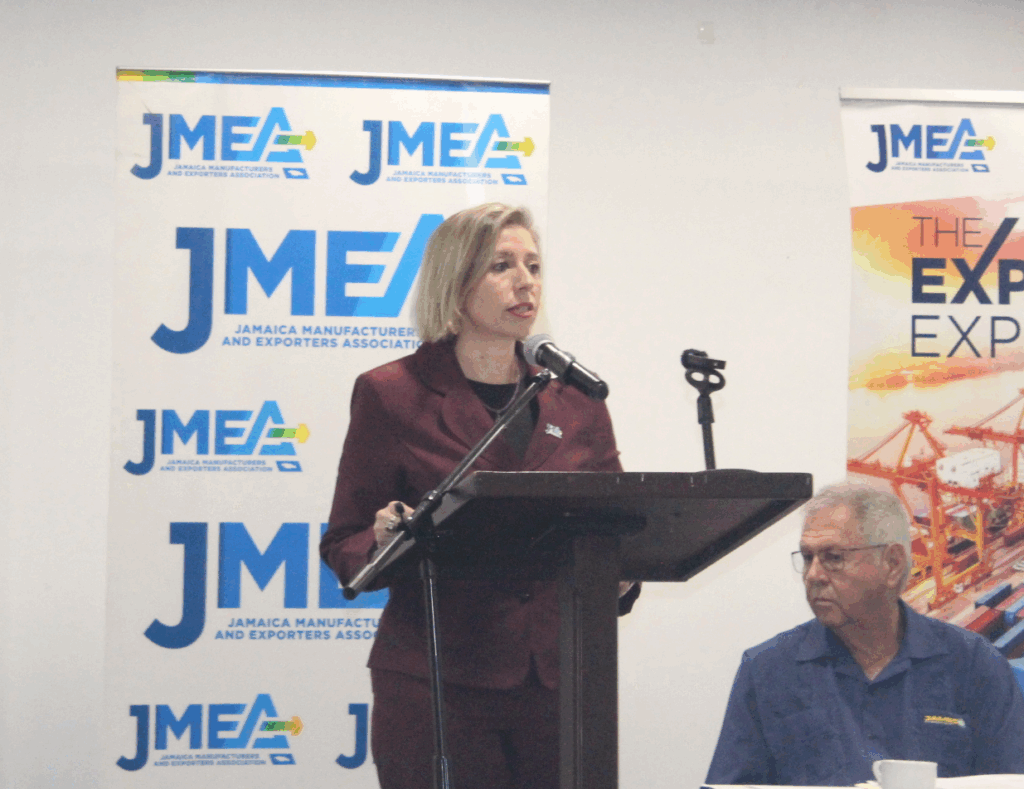
“Manufacturing continues to be a strong contributor to growth and employment, but sustaining that momentum requires stronger local demand and greater investment in Jamaican production. Buy Jamaican is about reinforcing confidence in our manufacturers and ensuring they have the market support needed to grow, innovate, and compete.”
Having strong and consistent domestic demand will directly and positively impact manufacturers’ ability to access financing, expand operations, and modernise their facilities. At the end of 2025, commercial bank lending to the manufacturing sector reached approximately J$587.5 billion, reflecting growing confidence in the sector’s potential when supported by stable demand and reliable market access.
Lessons from Melissa
According to the JMEA, the recent passage of Hurricane Melissa, which disrupted manufacturing and agricultural activity across several parishes in late October, further underscored the importance of reinforcing domestic production capacity.
While the storm exposed vulnerabilities within local supply chains, it also highlighted the strategic value of maintaining robust domestic production to absorb shocks, protect jobs, and reduce reliance on imports during periods of disruption.
“Consumer choice is not a soft lever,” Silvera added. “Every Jamaican-made product purchased keeps value circulating locally, supports employment, and strengthens the case for further investment. In a small, import-dependent economy, those decisions have real macroeconomic consequences.”
The JMEA pointed out that when Jamaicans choose imported alternatives, particularly in the current economic climate, it weakens recovery efforts. Every Jamaican-made product supports an interconnected value chain that includes factory workers, farmers, transport providers, retailers, and the families who depend on those incomes. The Buy Jamaican campaign seeks to protect and strengthen that chain.
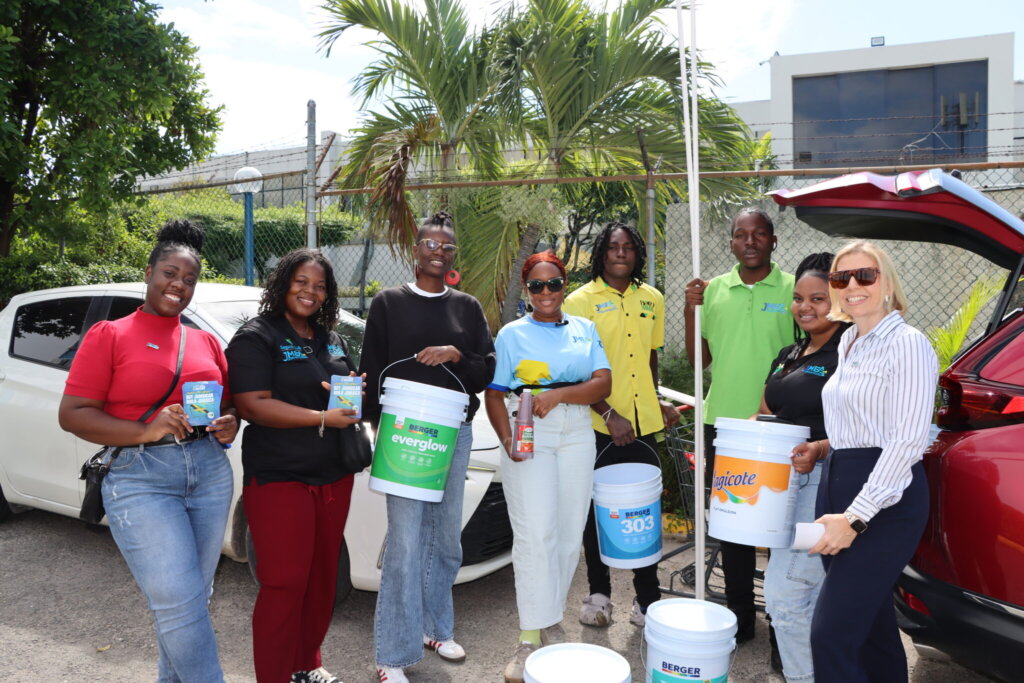
To this end, the association encourages consumers to read labels carefully, look for products made in Jamaica, and make deliberate purchasing decisions that support local manufacturers. Jamaican manufacturing extends far beyond food and beverages to include bedding and mattresses; building and construction materials such as paints and PVC pipes; furniture; cosmetics and personal care items; and a wide range of household and industrial goods.
By choosing Jamaican-made products, individuals help sustain jobs, protect livelihoods across the value chain, and send a clear signal of confidence to producers and investors.
In addition to appealing to consumers, the JMEA is calling on corporate Jamaica, government entities, and the tourism sector to actively support locally manufactured products through procurement and sourcing efforts. Greater use of Jamaican-made goods across public and private sector supply chains can strengthen domestic production, stimulate job creation, and contribute to more sustainable and inclusive economic growth.
The Buy Jamaican campaign will run throughout the year and will engage consumers, businesses, and investors through targeted outreach, education, and storytelling designed to link everyday purchasing decisions to employment, production, and national economic outcomes. The initiative aims to reposition buying local as both a patriotic responsibility and a sound economic choice.
The campaign’s message is clear: #BuyJamaicanBuildJamaica.