
Jamaica’s Manufacturers Confront Post-Hurricane Reckoning at Industry Conference
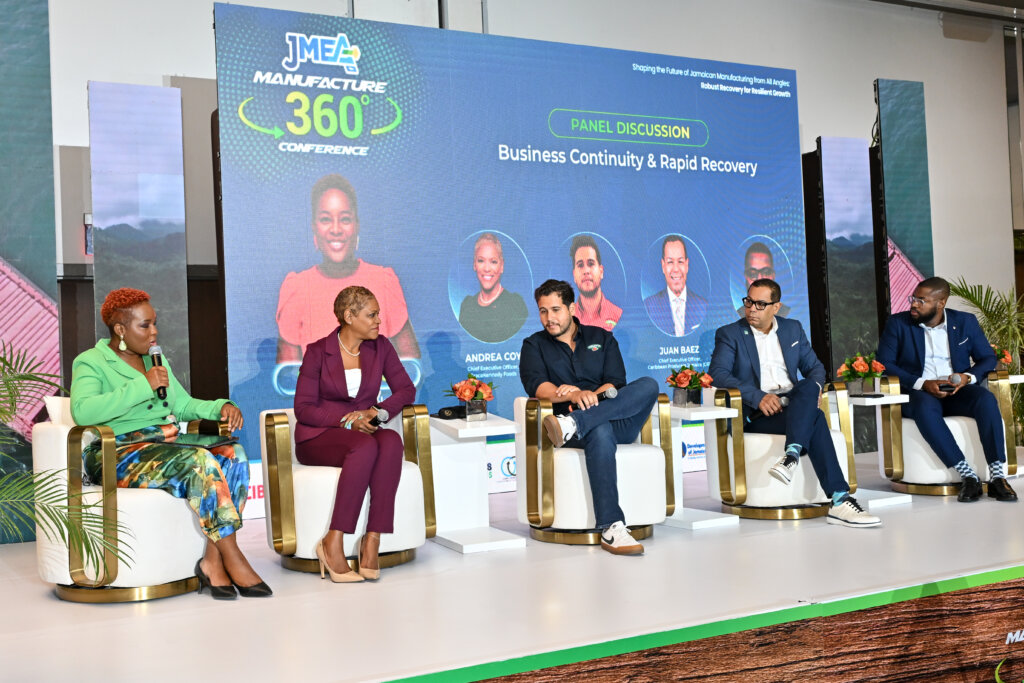
Kingston, Jamaica – May 18, 2026: Six months after Hurricane Melissa tore through Jamaica with historic force, the country’s manufacturing sector is still on its knees. Now, the industry’s leading association is calling its members together to ask a harder question than simply when recovery will come but what kind of recovery Jamaica can afford to settle for.
On May 20, the Jamaica Manufacturers and Exporters Association (JMEA) will host the third staging of its flagship Manufacture 360° Conference at the AC Hotel by Marriott Kingston, gathering manufacturers, exporters, financiers, and policymakers under the theme Robust Recovery and Resilient Growth. The event, held annually under the overarching banner “Shaping the Future of Manufacturing from All Angles,” has grown steadily since its 2024 debut drew more than 200 attendees and was oversubscribed.
But this year carries a weight the previous editions did not. When Melissa made landfall on October 28, 2025, the most destructive storm in Jamaica’s recorded history, it inflicted an estimated J$10 billion in losses on the manufacturing sector alone. Nearly 70 per cent of JMEA’s membership, largely made up of micro, small, and medium-sized enterprises (MSMEs), are still operating below capacity or have ceased operations entirely.
“The question is no longer whether the sector will recover, but what it will recover into,” said Kamesha Blake, Executive Director of the JMEA.
“Hurricane Melissa exposed real vulnerabilities in infrastructure, in financing, and in how we prepare for disruption. Manufacture 360° 2026 is about confronting those gaps directly and making deliberate choices to build a manufacturing sector that is more resilient, more competitive, and better positioned to grow in an increasingly volatile global environment.”
A Sector Under Compounding Pressure
The hurricane did not arrive in a vacuum. Even before Melissa, Jamaica’s manufacturers were navigating a challenging environment including rising input costs, shifting global trade dynamics, new fiscal pressures, and intensifying national ambitions to grow exports and reduce the country’s deep dependence on imports.
Those ambitions to deepen Jamaica’s integration into regional and global value chains have never been more clearly articulated. But the path there runs directly through decisions being made right now in factories, boardrooms, and government offices.
“Manufacturing is not just an economic pillar, it is a national one,” Blake said. “Recovery is the starting point, not the end goal, and this conference is about ensuring the sector emerges stronger, smarter, and more resilient.”
The JMEA is positioning Manufacture 360° 2026 as the space where those decisions are shaped.
From Emergency Response to Structural Rebuilding
The day’s programme reflects an intentional progression from the immediate to the long term. It will open with a focus on business continuity, drawing lessons from Melissa to help manufacturers build operational resilience against future shocks. From there, the conversation moves to disaster-resilient
industrial infrastructure, addressing the investment decisions required to rebuild not just faster, but better.
Dedicated sessions will tackle supply chain redesign and smart logistics, insurance and risk financing gaps in a climate-volatile economy, and practical pathways to capital. The day will close with a reframing of ESG not as a compliance exercise, but as a strategic operating system for companies seeking competitive advantage and access to capital in global markets.
A Regional Voice Shaped by Real Experience
The conference will also feature a moderated executive conversation with Gary “Butch” Henrickson, whose leadership at Continental Baking Company Limited and cross-sector experience spanning manufacturing and hospitality give him credibility few speakers can match on the question of climate risk and business resilience in the Caribbean.
Henrickson is expected to address how companies must now treat resilience not as a contingency plan but as a core strategic function covering everything from supply chain exposure and insurance gaps laid bare by Melissa, to the growing role of ESG frameworks in determining how manufacturers are financed and valued in international markets.
For an audience still navigating recovery, his practical, executive-level perspective on building businesses that can withstand an era of intensifying climate disruption is likely to be among the day’s most closely watched sessions.